The short answer
Resolve the scope and significance of the reported condition with the appropriate professional before committing to changes that depend on structural assumptions.
In this guide
Read the report carefully
Separate what the inspector actually observed from explanations suggested in conversation. Note the location, accessible area, stated limitations and recommended follow-up. If the report says significance was not determined, do not translate that into either “safe” or “major failure.”
Collect existing reports and dated photographs. Ask whether any prior repair or monitoring record is available. Keep the original wording so the next professional can understand the evidence instead of responding to an embellished summary.
Tell the assessor about your remodel
A cosmetic project and a structural alteration raise different planning questions. Explain proposed wall changes, additions and other relevant work before commissioning the follow-up. The professional needs to know the decision the report will support.
San José Plans That Require an Architect or Engineer describes San José’s design-professional requirements, including the building official’s authority to require professional involvement. Confirm the governing process for the property. This article offers no crack-width threshold that can clear an unseen structure for renovation.
Distinguish investigation from repair design
An initial assessment may identify a need for more information. Ask what the next investigation would establish, why it is needed and how its results affect the proposed work. Do not insist on a fixed construction solution before the condition is understood.
A hypothetical buyer planning an open kitchen might learn that the existing condition must be evaluated as part of the structural design. That does not mean every visible crack requires the same intervention. It means the design should not rest on an unverified assumption.
Compare recommendations on a common basis
If opinions differ, check the question, inspected areas, information supplied and limitations. A repair proposal and a narrowly scoped engineering report may not be contradicting one another; they may be addressing different things. Request clarification before commissioning another identical visit.
Ask the professional to distinguish immediate concerns, proposed further work and matters outside the engagement. Where damage-related city review applies in San José, San José Damage Repair Projects is an additional official resource. A municipal process and private technical advice may both have roles.
Make a documented go-forward decision
Before committing to dependent finishes or structural changes, obtain the agreed assessment or design deliverable and confirm required approvals. Update the construction scope to reflect the result. Keep any unresolved condition visible in the schedule and budget rather than hiding it in a generic contingency.
Your decision record should include original observation, professional scope, conclusion and limitations, required follow-up, revised design and approval path. It helps the owner avoid both premature cosmetic repair that obscures evidence and unnecessary assumptions about the worst possible outcome.
A decision log for a reported crack or settlement concern
Start the log with the exact report reference and the decision affected: purchase, wall alteration, addition or cosmetic repair. Add the professional engaged to evaluate it and the scope of that engagement. Keep unverified descriptions out of the conclusion column, even if they sound reassuring.
When the assessment arrives, record what it establishes and what it does not. If further investigation is recommended, note the question it will answer and the work that should wait for that answer. If the professional identifies a limitation caused by access, ask whether your planned construction provides an opportunity to resolve it under an appropriate scope.
A hypothetical owner might postpone a dependent cabinet order while structural design is clarified but continue selecting paint colors. Another project might require a different sequence. The decision log helps distinguish work genuinely dependent on the assessment from unrelated choices that can move forward.
If a contractor proposes patching, coating or concealing the reported condition, ask the assessor whether that should occur before additional evaluation. Do not let preparation for attractive finishes erase evidence without discussion. Any protective action or urgent issue should be addressed through the qualified team rather than delayed for the sake of documentation.
Before construction proceeds, have the design and contracting team confirm which assessment findings are incorporated into the scope. Store the report with the final plans and approved changes. A vague statement that “the foundation was checked” is less useful than a record showing the question, the professional’s bounded conclusion and the work that followed. That record supports future decisions without overstating what a past visit established.
Related questions
Can I judge a foundation from a crack photo?
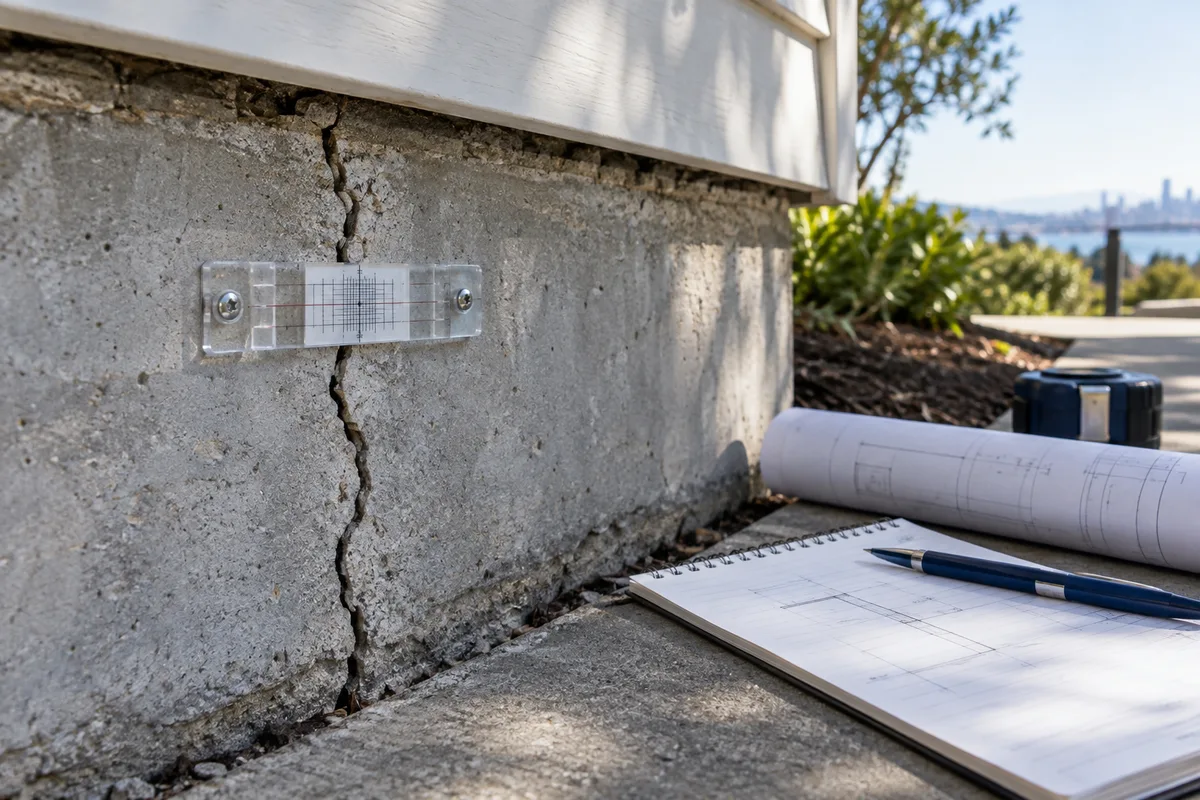
A photo can document an observation but cannot establish the complete condition or suitability for a remodel. Obtain a site-specific assessment for the decision you need to make.
Should cracks be patched before the assessment?
Ask the assessor first about preserving useful evidence and any necessary protective action. Do not let cosmetic preparation remove information needed to evaluate the reported condition.
Official sources
Why readers ask this question
These public discussions informed the topic. Individual experiences are not permit rules, verified prices or professional advice.