Clear next steps for hiring a contractor, understanding permits and planning work on a Bay Area home. Start with the decision in front of you.
Questions come from public homeowner discussions. Answers draw on official agency guidance. Costs, eligibility and procedures depend on your property and scope.
Start with common homeowner questions
100 guides
California Remodeling Deposits: What to Check Before Paying
A contractor wants a substantial payment to hold your place or order materials before work begins.
Can an Unpaid Subcontractor Claim a Lien After You Paid the GC?
You paid the GC but a subcontractor says it is still owed money for your project.
Change Orders: Agree on Scope and Price Before Work Changes
Your remodel is changing and you want to prevent a later argument about what was approved.
How to Build a Progress Payment Schedule Around Completed Work
You want a payment schedule that funds progress without paying far ahead of the work.
How to Find a Bay Area Contractor Without Personal Referrals
You have a project but no trusted local introduction, and online listings all appear to promise the same thing.
How to Verify a California Contractor Before Signing
A contractor has sent a convincing proposal, but you need to verify the business behind it.
Poor Work After Final Payment: Documenting Your Next Step
A finished surface or installed system is failing and the contractor has already received final payment.
The Homeowner Checklist Before Final Contractor Payment
The contractor says the job is finished, but you are not sure which documents and details to check.
What to Do When a Contractor Stops Showing Up
The crew repeatedly misses promised days and you cannot get a reliable answer about when work will resume.
Why Bay Area Contractor Bids Differ So Much
You have several Bay Area bids and cannot tell whether the expensive proposal buys more work or simply costs more.
Asbestos Before a Bay Area Remodel: Verify the Materials Before Disturbance
Your older home may contain asbestos, and online advice mixes rules from different air districts.
Brace-and-Bolt or Soft-Story Retrofit? Clarify Which Problem the Proposal Addresses
Seismic quotes use similar language but describe very different structural work.
Can You Electrify a Home with 100A Service? Start with an Assessment
You want a heat pump, electric cooking or EV charging and have been told a costly service upgrade is automatic.
Foundation Inspection: Decide What You Need Before Hiring a Repair Company
A free inspection recommends expensive work, but you do not know whether the recommendation is a diagnosis or a sales proposal.
Heat Pump or Gas Furnace: Compare Operating Costs Using Your Own Bills
Conflicting online bills make it difficult to judge whether a heat pump will save money in your home.
PG&E Panel Upgrade Timeline: What Actually Determines Your Move-in Date
Your renovation depends on more electrical capacity, but different contractors promise different completion dates.
PG&E Transformer Upgrade Charges: Questions to Resolve Before Paying
A utility estimate includes infrastructure work and an advance, but you cannot tell what you are agreeing to fund.
Roof Replacement Quotes: Compare the Roof You Have, Not the House Size
Roof bids differ sharply and use square footage that may not describe the same area or scope.
Sewer Camera Inspection or Compliance Certificate? They Answer Different Questions
A disclosure packet contains a sewer video but you do not know whether that proves required compliance.
Who Can Tell Whether a Wall Can Be Removed? Start with a Defined Structural Review
You want an open floor plan but online rules of thumb disagree about whether the wall is structural.
Buying a Bay Area Home with an Unpermitted Addition: A Decision File
Evaluate the addition as a documented scope and approval problem, not a yes-or-no label. Compare current conditions with permits, inspect the actual work and identify the responsible agency before estimating the exposure.
City or County? Finding the Right Bay Area Building Department
Use the property’s jurisdiction, not its mailing address, to select the building department. Confirm the parcel before applying, then identify any additional agencies whose approvals affect the proposed work.
Does a Same-Layout Bathroom Remodel Need a Permit?
Keeping the fixtures in the same positions does not establish that a bathroom project is permit-exempt. Describe every change to the correct building department before agreeing to a permit-free scope.
How to Prepare for San José ADU or JADU Legalization
Use San José’s current AB 2533 program instructions to assess the applicable pathway. Start with construction-date evidence and existing-condition documentation; a private inspection helps preparation but does not approve the unit.
How to Request Old Permits and Stamped Building Plans
Search the permit index first, then request the particular plans and inspection documents needed to answer your question. Keep proposed, approved and completed work distinct when reading older records.
How to Tell Whether a Building Permit Passed Final Inspection
A permit number or issued status does not prove the work was completed and approved. Read the inspection history, identify the final result and resolve any related permits or outstanding items with the issuing department.
Planning an SF Kitchen Remodel When Downstairs Records Do Not Match
Resolve the distinction between the proposed kitchen work and the existing downstairs use before treating them as one project. Gather plans and permit history, then request a written explanation of the required review path.
Preapproved ADU Plans: What Still Has to Be Designed for Your Lot?
A preapproved design can reduce repeated review of a standard building, but it does not make every site ready for construction. Confirm the applicable plan version, site layout, connections and required project-specific documents.
The City Cannot Find My Permit: How to Build a Records Search
An incomplete search is not the same as a documented approval or a definitive finding that no approval existed. Build a traceable record search and ask the agency what evidence it needs to resolve the discrepancy.
Will a New Permit Expose Older Unpermitted Work?
There is no reliable blanket promise that an inspector will ignore older work. Start with records and a scoped professional assessment, then obtain project-specific direction instead of relying on forum reassurance.
A Contractor License Bond Is Not Full Project Insurance
A contractor advertises licensed and bonded, and you wonder how much financial protection that provides.
A Lien Threat After Defective Work: Preserve Evidence and Verify the Claim
A contractor demands payment after allegedly dangerous work and threatens to record a lien.
A Preliminary Notice Is Not the Same as a Recorded Lien
A legal-looking notice arrives during your remodel and you fear your property already has a lien.
A Realistic Remodel Schedule Includes Owner Decisions
You want a realistic schedule and do not know which choices must be made early.
A Surprise Invoice for Work You Never Approved
You received a bill for additional work that you do not remember approving.
Before Negotiating a Contractor Delay Clause
You had a late project before and want the next contractor to face consequences for delay.
Build a Project File Before a Contractor Dispute
You may need outside help with a contractor dispute and want to prepare useful evidence.
CSLB Complaint or Bond Claim: Which Process Are You Starting?
You want help after a contractor problem and are unsure whether to contact CSLB, the bonding company or a court.
Conditional and Unconditional Lien Releases: When to Request Each
You were told to collect lien releases but do not know which form to ask for at each payment stage.
Custom Cabinets and Materials: Checking an Advance Payment Request
The contractor says expensive custom products require a large advance payment.
Finding Duplicate Charges in Contractor Invoices
You suspect the same delivery, material or task has been billed twice.
Fixed Price or Time and Materials: Choosing a Pricing Structure
You are deciding whether an hourly or project-based proposal is the better fit for uncertain renovation work.
General Contractor or Separate Licensed Trades: Choosing Who Coordinates
A bathroom or kitchen project involves several trades, and separate bids appear cheaper than a general contractor.
Hidden Damage or Missing Scope: Understanding an Extra Charge
A contractor says an unexpected condition requires more money, and you cannot tell whether it was already included.
How to Audit a Time-and-Materials Remodel Overrun
Your time-and-materials remodel has exceeded its original range and the invoices are difficult to follow.
How to Check Contractor References and Project Photos
A polished portfolio looks convincing, but you want to know whether the contractor actually performed relevant work.
How to Compare a Lump-Sum Remodeling Quote
A specialty contractor gives one total and will not provide hours and material markups.
Owner Changes: Recording Cost and Schedule Effects
You want to change a selection after signing and need to understand what it affects.
Rough-Finish Quotes: Finding the Costs Left Outside the Bid
The contractor’s renovation number looks affordable, but you are discovering that fixtures, cabinets and finishes may be extra.
The Lowest Bid: Questions to Ask Before You Accept
One bid is far below the others and you want to know whether it is a saving or a missing-scope problem.
What Contractor Insurance Documents Actually Tell You
A contractor sent an insurance certificate and you do not know what it proves.
Who Is Signing Your Contract: Contractor or Salesperson?
The estimator, salesperson and project manager use different names, and you are unsure who can commit the company.
Work Completed or Calendar Date: What Triggers a Payment?
An invoice is due this week, but the project appears behind the schedule used to create it.
Write One Scope So Every Contractor Bids the Same Project
You keep receiving proposals that describe different projects and cannot make a fair comparison.
Adding a Window: Why a Small Opening Can Be a Larger Project
A new window quote seems disproportionate to the size of the window itself.
After Sewer Work: Build a Closeout File That Proves What Was Completed
The plumber has been paid, but you are unsure which documents establish repair scope, permit completion and agency compliance.
An Older Roof Before Closing: Turn the Concern into a Defined Decision
A home inspection flags an aging roof and you need a realistic plan before committing to the purchase.
Before Drywall: Coordinate Inspections and Record What Will Become Hidden
Several trades are ready to finish, but you are unsure whether concealed work has received the required review.
Compare Heat-Pump Quotes Without Comparing Different Projects
Several HVAC proposals have very different totals and you cannot tell whether they include the same work.
EBMUD Sewer Lateral Compliance: Check the Trigger Before Final Inspection
A remodel budget grows and you discover that sewer compliance may affect final sign-off.
Earthquake Brace + Bolt Grants: Plan Around the Program’s Actual Milestones
You want a seismic retrofit grant but are unsure when to choose a contractor, obtain approvals or start work.
Foundation Cracks Before a Remodel: Turn Observations into a Design Decision
An inspection mentions cracking or settlement, and you are unsure whether to proceed with renovation plans.
Keep or Replace the Ducts? A Scope Question to Settle Before Buying HVAC
One contractor wants to keep existing ducts while another proposes extensive replacement.
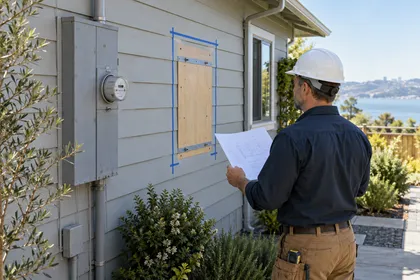
Moving an Electrical Panel: Coordinate the Utility, Permit and Finish Work
A remodel changes the panel location, and it is unclear who arranges disconnection, approvals and repairs around the old equipment.
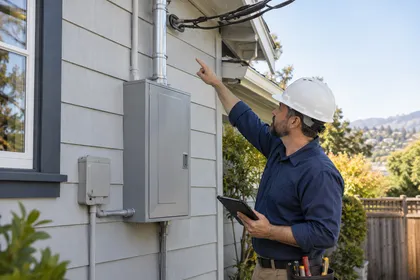
Panel Replacement or Service Upgrade? Name the Project Before Getting Quotes
Quotes use “panel upgrade” for different combinations of equipment replacement, added capacity and utility work.
Plan Home Electrification in Phases Without Paying for Rework
You want to replace several gas appliances over time but do not know which decisions should come first.
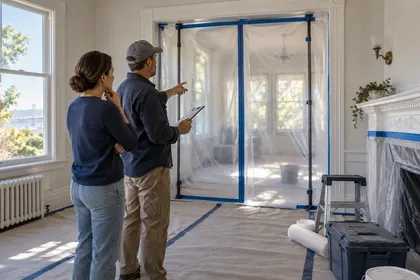
Renovating a Pre-1978 Home: Verify Lead-safe Scope Before Work Starts
You are planning paint, window or remodeling work in an older home and do not know what to ask contractors about lead.
Replacing a Roof with Solar Panels: One Plan for Two Trades
The roofer and solar company each exclude parts of the project, and nobody clearly owns the completed roof-and-solar result.
Roof Decking and Dry Rot: Prevent Surprise Change Orders
A roofer excludes damaged wood, leaving you unsure how large the final bill could become.
San Francisco Window Replacement: Check Historic Status Before Ordering
You have chosen replacement windows but do not know whether the materials and appearance will be accepted.
San José Reroof Permits: Check the Scope Before Scheduling the Crew
You need to replace a roof and want to know which city decisions must happen before construction.
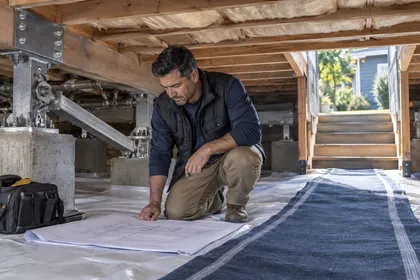
Seismic Retrofit Quotes: Include Access, Engineering and Finish Restoration
A retrofit proposal appears affordable until engineering, access or finish repair is added.
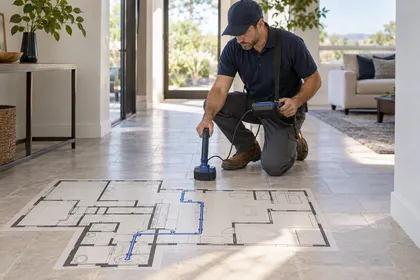
Sewer Repairs in a Slab House: Clarify the Pipe Before Assuming Floor Demolition
You are worried that an old sewer line means every finished floor must be opened.
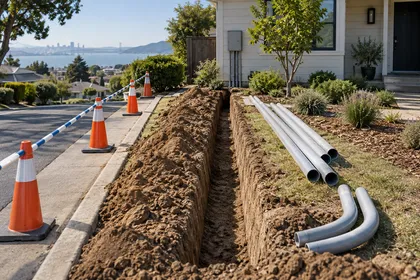
Underground Electrical Service: Define the Trenching Scope Before Comparing Bids
An electrical upgrade quote includes trenching, but the route, property boundary and restoration obligations are unclear.
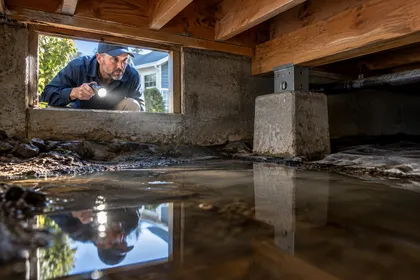
Water in a Crawlspace or Through a Slab: Investigate Before Choosing a Drain
Several companies recommend different drainage systems, but the source and extent of the water problem remain uncertain.
What to Fix First in an Older Bay Area Home: A Decision-based Sequence
A fixer-upper needs many improvements and you do not know which projects can wait without causing rework.
Your Renovation Is Waiting on PG&E: Build a Schedule That Shows the Real Blocker
The house is under renovation but the utility cannot provide a firm construction date.
A Complete Permit Application: A Practical Submission Checklist
Use the checklist for your actual jurisdiction and project type, assign every document and reconcile the package before uploading. A successful upload is not proof that the agency considers the application complete.
A Failed Building Inspection: Turn the Notice into a Correction Plan
Read the actual correction record, assign each item and confirm what needs reinspection before the next construction stage. A failed inspection is a project task list to resolve, not a reason to guess or cover the work.
ADU Budget Checklist: Costs Missing from a Headline Price
Compare complete scope rather than a price per square foot. Separate design, agency charges, site work, utility coordination, inspections and completion documents, and identify which amounts are quoted, allowances or still unknown.
Architect Plan-Check Fees: What to Clarify Before the Next Invoice
Compare the requested work with the written professional-services scope. Identify whether the invoice covers an included response, an owner-requested change, a coordination issue or additional work, and request an itemized explanation.
Are Your Preapproved ADU Plans Still Current?
Verify the master-plan identifier, current accepted version and site-specific requirements before purchasing or submitting a preapproved design. An older approval label does not establish that the same package is current for a new application.
Bedroom Counts, Square Footage and Permit Records: What to Compare
Treat listing descriptions, assessor information, approved plans and actual conditions as separate evidence. A mismatch deserves investigation; none of those labels alone establishes that every existing room or use was approved.
Before ADU Legalization: What a Preapplication Inspection Can Tell You
A preparatory inspection can identify conditions and information needed for a legalization plan. Under San José’s program it is optional and does not replace city inspection or determine approval by itself.
Before Converting a Garage to an ADU: A Feasibility Checklist
Evaluate the existing structure, proposed layout, approval path and connections before comparing finish packages. Reusing a garage does not establish that every part is suitable for residential conversion or that the quoted price covers all required work.
Before Drywall or Tile: Planning Rough Inspections
Identify required inspection points before concealing work. Coordinate all affected permits and trades, confirm readiness, and keep the result and corrections available to the people scheduling finishes.
Beyond the Building Permit: Tracking Other Agency Clearances
Ask which outside approvals actually apply to the site and scope, then track their owner and required stage. A building application does not automatically resolve public works, fire, water, sewer or utility-provider questions.
Can You Start Demolition While a Permit Is Pending?
Do not treat an application in review as authorization to demolish. Define the exact work and obtain the authority’s direction on required permits and any separately permitted scope before making irreversible changes.
Coordinating Permits for Lighting, Repiping and HVAC Work
Treat a combined upgrade as coordinated electrical, plumbing and mechanical scope. Confirm the applicable permits and inspections for each part, then assign one person to track dependencies and final records.
How to Organize a Response to Building Plan-Check Comments
Create a comment-by-comment response that identifies the responsible professional, the change made and the exact document location. Coordinate all affected disciplines before resubmitting and preserve the version sent.
Pausing Construction Without Losing Track of Permit Expiration
Check the actual application or permit expiration rules and record, then request any available extension before the relevant deadline. Do not assume an application, issued permit, trade permit and revision share the same clock.
Planning Approval Is Not Permission to Start Construction
Check which approval you actually have and what it authorizes. Planning acceptance, plan review, permit issuance and inspection completion are distinct milestones, and a project may also need other agency clearances.
Reducing a Remodel Scope: Revise the Permit or Start Over?
Do not cancel an application before asking the issuing department how to handle the reduced scope. The appropriate process depends on whether review is underway, approval is issued and other approvals are affected.
San Francisco Window Permits: Online Application and Inspection Planning
Use the current SF process for the exact window scope and keep the permit’s inspection path with the job. Older instructions about an in-person visit or telephone scheduling may not match a PermitSF-issued permit.
The Final Inspection Closeout Packet Every Owner Should Keep
Collect the documents that connect approved scope, completed work and final status. A useful closeout packet includes permit identifiers, approved revisions, inspection evidence and the project-specific records needed to explain the finished work.
When Permit Departments Give Conflicting Answers
Turn the conflict into a documented scope question. Identify the departments, the exact issue and the drawings each person reviewed, then ask for coordinated written direction before changing the project.
Who Should Handle the Permit: Owner, Contractor or Designer?
Choose the applicant arrangement deliberately and document each task. Submitting paperwork, taking responsibility for construction, preparing design and coordinating inspections are different roles that should not disappear into the phrase permits included.
Why an ADU Permit Timeline Is Longer Than a Review Target
Break the schedule into intake, complete submission, review, applicant corrections, issuance and construction dependencies. A published review target is not a promise that every part of the project finishes within that period.
Why the Contractor’s Permit Charge Differs from the City Fee
A permit-services price can include more than the government charge. Request a breakdown of agency payments, application preparation, coordination, inspections and any testing so you can compare equivalent proposals.
Will a Remodel Permit Increase Your California Property Tax?
A permit does not automatically mean the entire property is reassessed. The assessor evaluates the work: normal maintenance differs from assessable new construction, and an addition generally raises questions about the new portion rather than resetting everything.







































































No matching guides. Try a broader word or another topic.