The short answer
Write a single baseline scope and distribute the same version to every bidder. The goal is a comparable commitment, with optional work and unresolved conditions kept separate.
In this guide
Describe the desired outcome
Start with the existing condition and what will change. Identify rooms, locations and drawings. Specify the intended finish state, not just the main installation. If you do not know a technical solution, state the problem and ask for a proposed approach; do not invent a specification that may be unsuitable merely to sound precise. See CSLB consumer guidance for the applicable official information.
Separate decisions already made from open choices
List confirmed products or drawings separately from allowances, alternates and items requiring investigation. Tell bidders what they may assume for comparison and what requires their explanation. An honest unknown is more useful than a hidden assumption. Keep optional improvements out of the base scope so everyone prices the same starting project.
Include practical site conditions
Describe occupancy, access, working-hour constraints, parking, material storage and protection needs that you actually know. Note relevant existing records. Do not promise conditions you have not checked, such as unrestricted access through an association-controlled area. Ask bidders to identify additional information needed before a firm proposal.
Control revisions during bidding
Give the scope a date or version. When one contractor asks a useful question, share the clarified information with all remaining bidders. Keep a log of changes and request acknowledgment of the final version. Without this step, a late conversation with one bidder can quietly make the offers incomparable again.
A bid package that stays readable
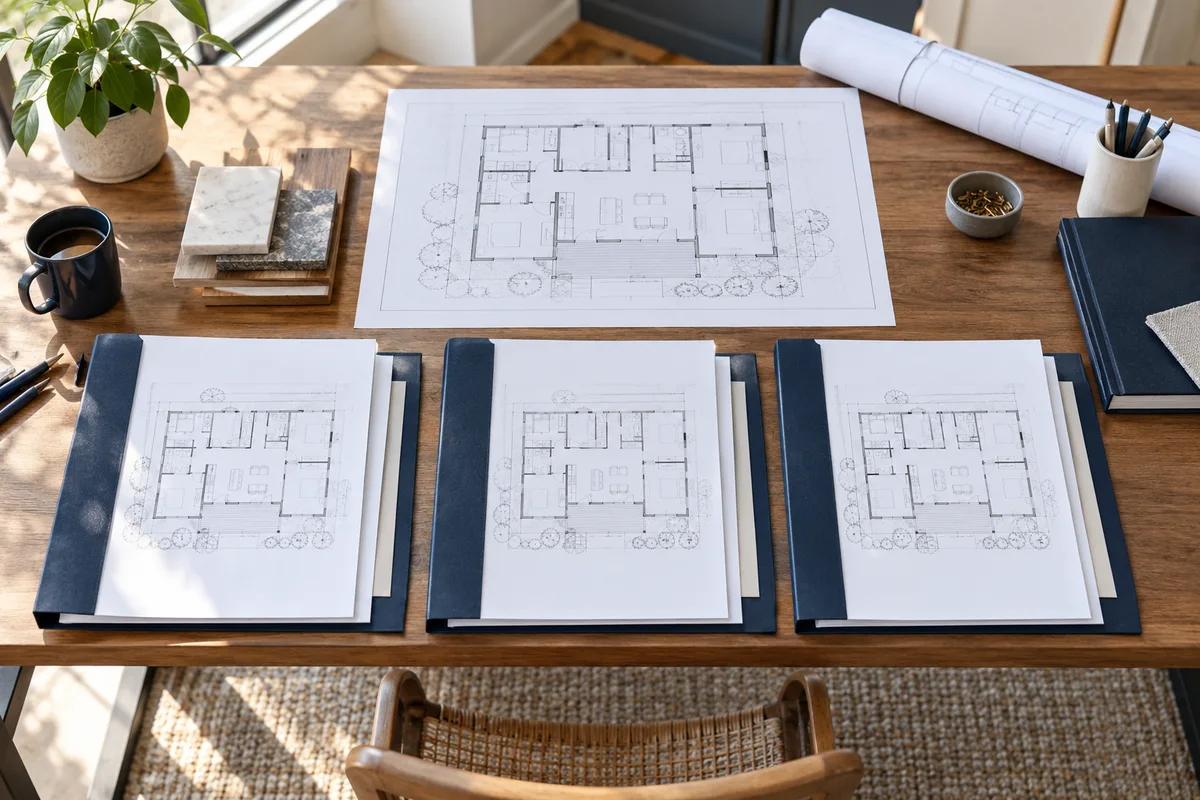
Use a short cover sheet describing the existing property and project objective. Attach the current drawings or photographs with dates and explain which are for information rather than construction direction. A homeowner sketch can communicate intent without pretending to be an approved design. Ask the bidder what professional documents are needed for a reliable proposal.
Create three lists: included base work, optional work and unresolved conditions. The base should be specific enough to compare; the options should be priced separately; the unknowns should have a proposed investigation or decision process. Do not hide uncertainty by using phrases such as all necessary work when nobody has defined the boundary.
Include your known site constraints. State whether the house is occupied, which areas need access, where materials might be stored and any working-hour restrictions you have confirmed. Ask the contractor to identify additional requirements. Do not guess association or municipal rules merely to finish the package; mark them for verification by the appropriate party.
During bidding, keep a question-and-answer log. When a question changes the common scope, issue the clarification to everyone still bidding. Ask for revised totals where necessary and record the final version each contractor priced. A phone conversation can be followed by a short written note so the information does not remain private to one bidder.
At selection, move the agreed scope into the contract package. Check that exclusions and alternatives remain correctly labelled. If the chosen contractor changes a method, discuss the effects and update the documents. The purpose is not to force identical construction methods when alternatives are sensible; it is to understand what each method promises and what responsibility it leaves with you. A good bid package reduces ambiguity without pretending the owner has become the designer or construction professional.
Follow through on the decision
Make one person responsible for distributing scope updates during bidding. If several household members answer contractor questions separately, compare those answers and issue a common clarification. A small difference about finishes or access can materially change a quote. Keep each bidder’s acknowledgment so you know which version was priced. Before signing, check that the chosen contractor has not substituted an older drawing in the attachment list. Do the same for product specifications and options. This administrative step is simple but important: a carefully written scope provides little protection if different participants use different versions. The final package should tell a new reader what is included, what is optional, what remains unknown and who must decide it. That clarity makes later change discussions more productive and reduces arguments about what everyone supposedly understood.
Decision checklist
- Date the common scope and separate base work from optional alternatives.
- Identify unresolved conditions without inventing technical specifications or prices.
- Share scope-changing answers with all bidders still participating in selection.
- Attach the accepted final version to the eventual construction agreement.
A common baseline with one optional upgrade
Hypothetical example. A homeowner wants a basic fixture replacement and is considering a higher-end control. The baseline should describe the agreed replacement while the upgraded control appears as a separate alternate. Every contractor then knows which product and associated work belong in the base price. The owner can compare both decisions without mixing different totals.
Related questions
Do I need finished drawings before contacting anyone?
Not always. Be clear whether you need planning help, a budget estimate or a firm construction proposal.
Can a contractor suggest a different approach?
Yes. Ask it to label the alternative and explain the scope difference rather than silently changing the baseline.
Official sources
Why readers ask this question
These public discussions informed the topic. Individual experiences are not permit rules, verified prices or professional advice.